What Makes Fiber Internet Fast?
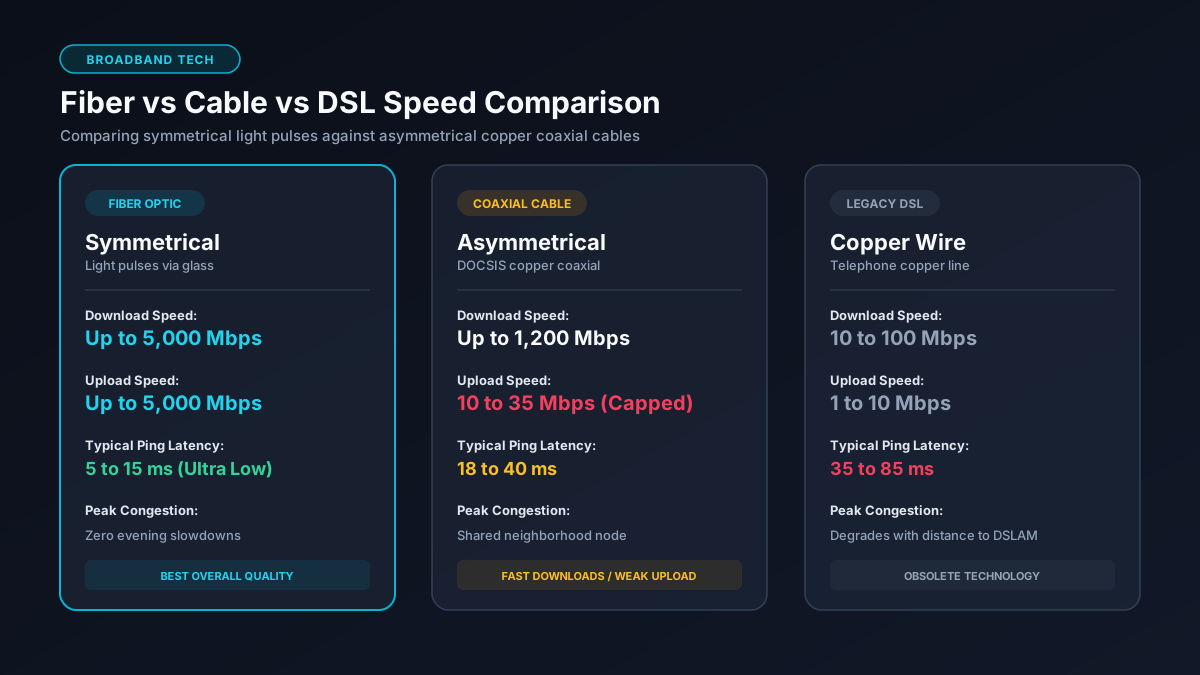
Fiber internet transmits digital signals as pulses of light traveling through microscopic strands of glass. Unlike traditional copper cable lines or DSL telephone wiring, light experiences practically zero signal degradation over long distances. As a result, you consistently receive the exact bandwidth your provider promises, even during peak evening hours.
Typical Fiber Internet Speed Tiers
- 300 Mbps: Ideal for 1 to 3 users streaming in 4K, downloading updates, and working remotely.
- 500 Mbps: Great for 3 to 5 users with multiple smart TVs, game consoles, and regular video calls.
- 1 Gbps (1,000 Mbps): Perfect for large households, home offices, and rapid multi-gigabyte file transfers.
- 2 Gbps to 5 Gbps: Cutting edge multi-gig speeds designed for professional creators and power users.
Symmetrical Upload and Download Speeds
The single biggest advantage of fiber is symmetrical performance. Traditional cable broadband offers fast download speeds but caps upload speeds at 10 to 35 Mbps. Fiber provides matching upload and download bandwidth. If you subscribe to 1 Gbps fiber, you can upload at 1,000 Mbps, making cloud backups, Zoom meetings, and video publishing virtually instantaneous.
Fiber Latency and Gaming Performance
Beyond raw download throughput, fiber delivers exceptionally low latency. Most fiber connections achieve 2 to 12ms ping times to regional data centers. This low jitter and fast response time eliminates delay during competitive online multiplayer games.